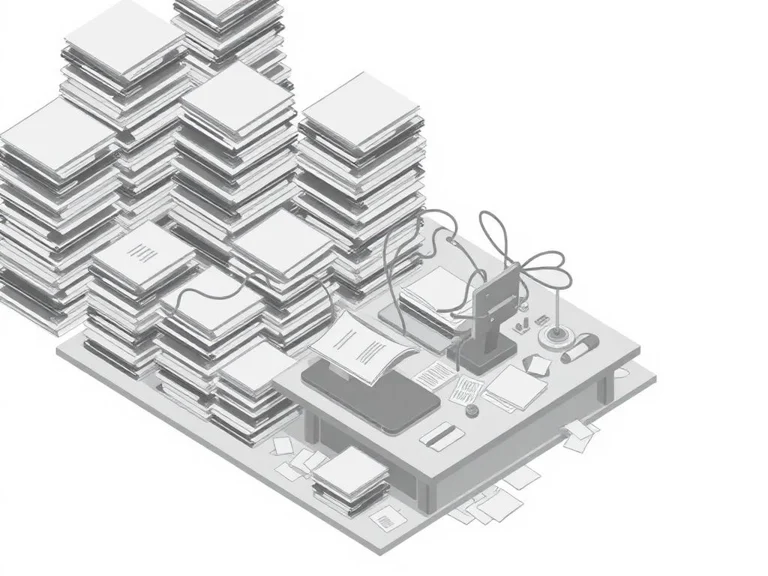
Fragmented workflows
Disconnected systems and teams slow execution across enterprise operations daily.
Agentic AI Platform for Enterprise Execution
Connect HR, Recruitment, Legal, Marketing, Finance and Admin through governed workflows. Fourteen specialist platforms coordinate the work, with people retaining authority over consequential decisions.

The problem
Disconnected systems and teams slow execution across enterprise operations daily.
Teams spend more time managing dependencies than executing high-value work.
Approvals, dependencies, and delays constantly interrupt enterprise workflow momentum.
Most enterprise tools manage work but fail to autonomously execute operations.
As enterprises grow, operational complexity increases faster than execution efficiency.
The shift
 01
01Teams rely on manual coordination, approvals, and repetitive tasks to keep operations moving.
 02
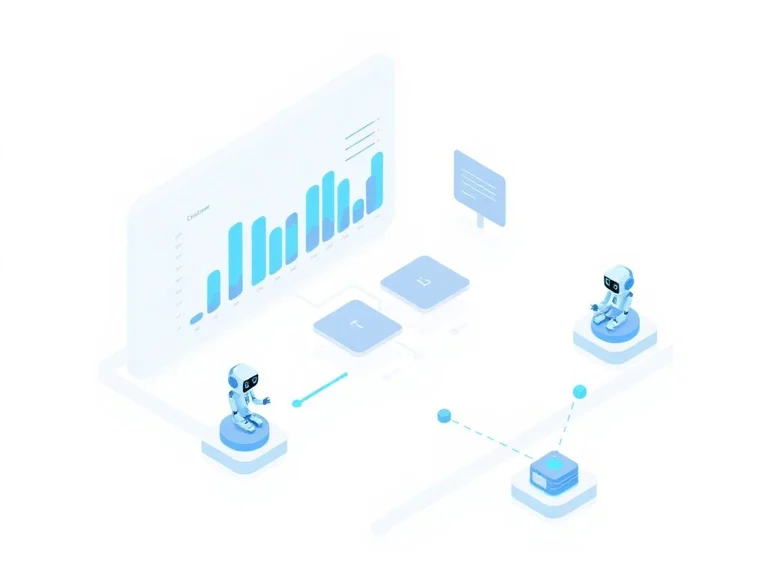
02Enterprise operations move faster through autonomous cross-functional workflow orchestration.
 03
03AI handles execution while humans focus on decisions, innovation, and growth.
Corporate functions first
Our focus is corporate functions: HR, Recruitment, Legal, Marketing, Finance and Admin. Define a workflow, connect the right specialist platforms, and keep approvals and exceptions with the accountable team.
Six functions · Fourteen platforms
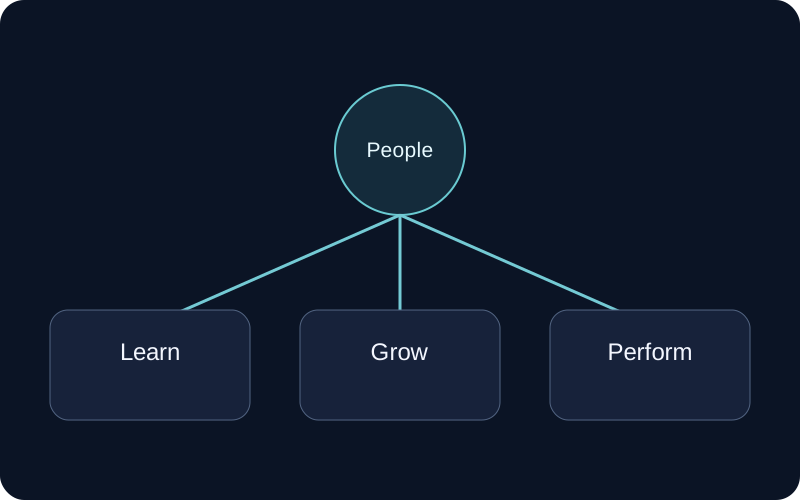
Coordinate the function through connected specialist workflows.
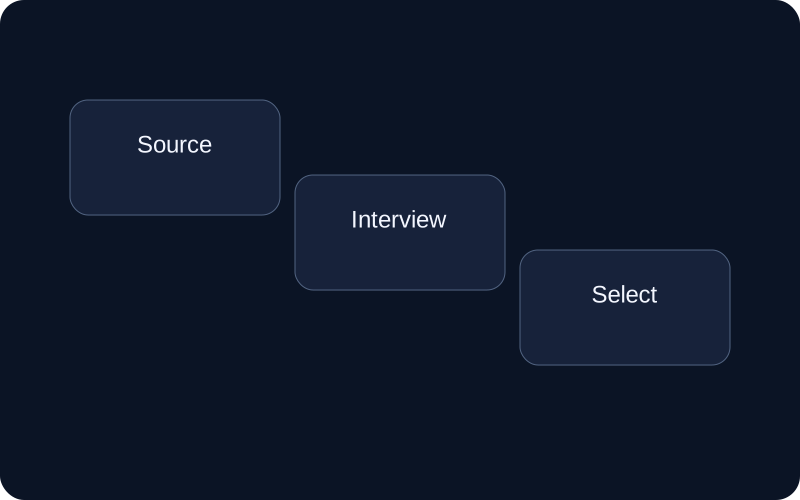
Coordinate the function through connected specialist workflows.

Supports policy, procurement and audit evidence workflows; legal judgment and approvals remain with your team.
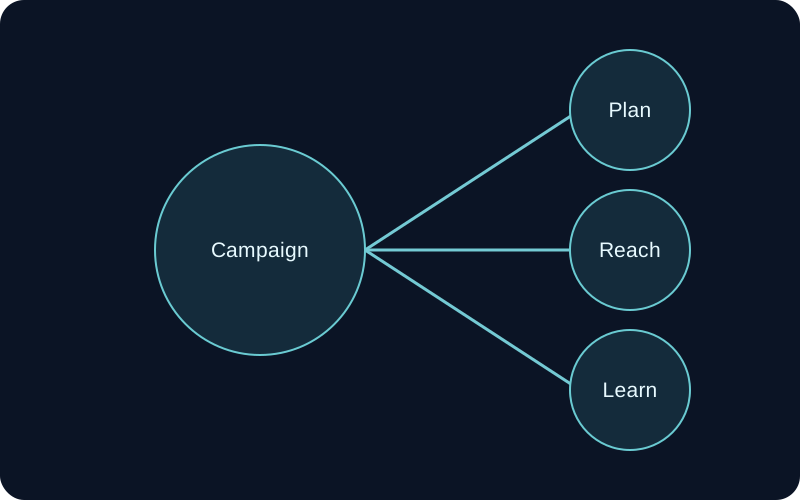
Coordinate the function through connected specialist workflows.
Coordinate the function through connected specialist workflows.
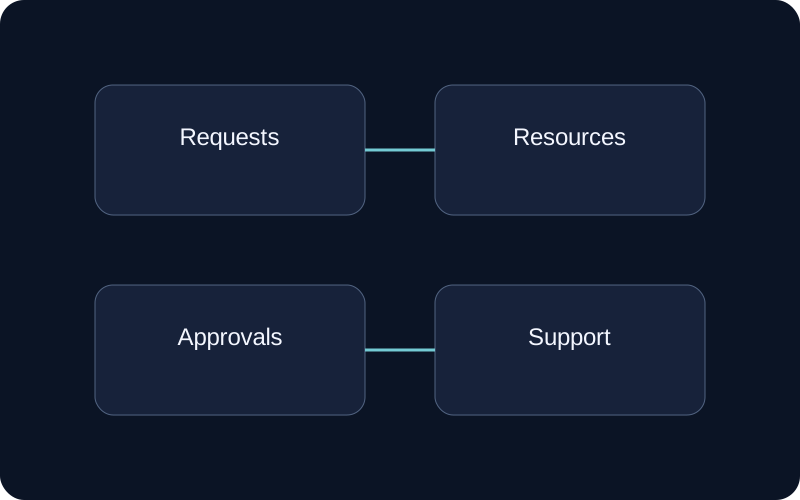
Coordinate the function through connected specialist workflows.
Platforms can support more than one function. Scope, integrations and approval responsibilities are defined for each deployment.
Recruitment intelligence, from sourcing to onboarding.
The Onboarding Agent guides employees and internal teams through the joining process, answers policy questions from approved sources, tracks dependencies, and coordinates tasks across connected HR and business systems.
Coordinates goal tracking, review cycles, feedback collection, and rewards and recognition workflows across the organization. It brings these activities into a continuous, coordinated process.
Answers employee policy questions from approved HR documentation and keeps guidance consistent across the organization. Exceptions are flagged for human review.
The Workforce Planning Agent analyzes current capacity, forecasts demand, and models scenarios—helping leaders make headcount and resourcing decisions ahead of the need, not after.
Recommends and coordinates training based on role, skills gaps, and career path. Completion and certification tracking keep the learning journey visible.
Generates and refines structured resumes and profiles from raw input. Profiles are aligned to role requirements for candidate and internal-mobility workflows.
The Payroll Agent calculates pay, applies statutory and policy rules, reconciles exceptions, and coordinates disbursement—so every pay cycle closes on time and without manual rework.
The Procurement Agent coordinates purchase requests, vendor selection, approvals, and order tracking—keeping spend visible and procurement cycles moving without manual chasing.
Captures, validates, matches, and routes invoices for approval, integrated with existing finance systems. The workflow keeps invoice processing connected from intake to review.
Continuously checks financial records and controls against policy, flagging exceptions for human review. Finance teams retain responsibility for reviewing and addressing flagged exceptions.
Automates transaction categorization, reconciliation, and ledger maintenance. Exceptions are surfaced to finance teams for review.
The Digital Marketing Agent coordinates campaign planning, content scheduling, channel execution, and performance reporting—keeping marketing operations consistent across every channel.
Arabic-first, autonomous customer care with human handover.
How it works
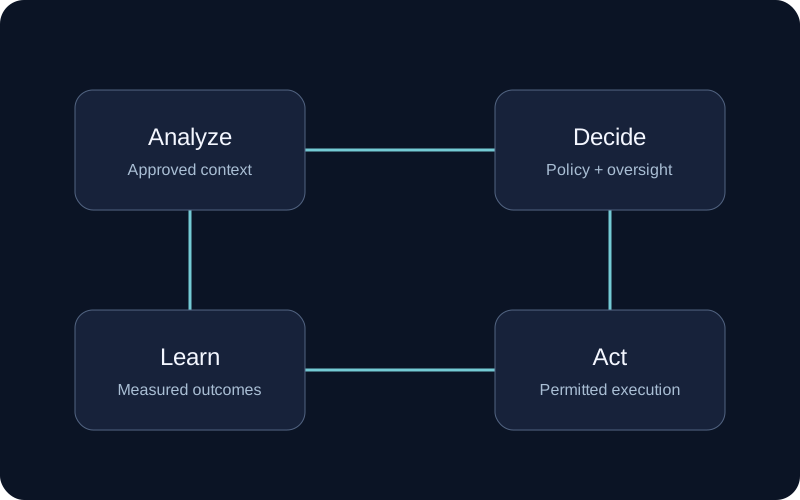
AI agents are configured across enterprise functions and operational workflows intelligently.
AI agents coordinate tasks, decisions, workflows, and execution autonomously across systems.
Teams oversee strategy, innovation, approvals, and high-value enterprise decision-making processes.
Why FenixAi
AI agents execute workflows instead of simply tracking tasks or generating outputs.
Humans remain strategically involved while AI handles operational execution intelligently.
Designed to manage enterprise complexity across multiple business functions collaboratively.
An AI-powered digital workforce operating intelligently around-the-clock without operational delays.
Differentiation
Traditional Systems vs FenixAi
| Traditional stack · SaaS + automation | FenixAi · Agentic execution layer |
|---|---|
| Tracks workflows | Executes workflows |
| Requires constant coordination | Coordinates workflows autonomously |
| Human-dependent operations | AI-powered digital workforce |
| Reactive rather than proactive | Intelligent real-time execution |
| Fragmented enterprise tools | Unified ecosystem of autonomous AI agents |
The future
The future of work is not humans versus AI. It’s humans empowered by autonomous enterprise intelligence operating continuously in the background.
FenixAi campaign film · 33 seconds
A campaign introduction to 14 connected agentic platforms.
Play with sound. Original portrait format preserved.
Explore what this means for your team ↗Your next step
Transform fragmented workflows into intelligent autonomous execution systems.
See FenixAi in Action